![What-to-expect-when-losing-a-tooth.png]() Image 1 of 1
Image 1 of 1
What to Expect When Losing a Tooth
What to Expect When Losing a Tooth
It might feel wobbly.
It might feel strange.
And that�s okay.
What to Expect When Losing a Tooth is a comforting, practical children�s book designed to help young readers understand what happens when a baby tooth becomes loose�and what to expect before, during, and after it falls out.
Through clear, reassuring language and a steady, supportive tone, this book gently explains the physical sensations, emotions, and changes that can come with losing a tooth. It normalises curiosity, excitement, uncertainty, and even worry, helping children feel prepared rather than surprised.
Rather than focusing on pressure or timelines, the story emphasises that every child�s experience is different. Teeth fall out in their own time, bodies know what to do, and there is no �right� way to feel about it. Children are reassured that adults are there to help, questions are welcome, and nothing needs to be rushed.
This book is especially helpful for children who prefer predictability, including anxious or neurodivergent children, as it breaks the experience into simple, manageable steps. It also offers caregivers a shared language to talk through the process calmly and confidently.
Perfect for reading before the first wobbly tooth appears�or while one is already loose�What to Expect When Losing a Tooth turns uncertainty into understanding and worry into confidence.
Perfect for:
Children aged 4�8
Families preparing for first tooth loss
Children who benefit from clear explanations
Early learning centres and classrooms
Dental clinics, counsellors, and wellbeing settings
Themes explored:
Body awareness and change
Normalising uncertainty and curiosity
Preparation and reassurance
Trusting your body and asking for help
What to Expect When Losing a Tooth is not about making tooth loss exciting or scary�it�s about making it understandable.
When children know what to expect,
they feel calmer, braver, and more in control.
A gentle, informative guide for growing smiles�and the grown-ups who support them.
What to Expect When Losing a Tooth
It might feel wobbly.
It might feel strange.
And that�s okay.
What to Expect When Losing a Tooth is a comforting, practical children�s book designed to help young readers understand what happens when a baby tooth becomes loose�and what to expect before, during, and after it falls out.
Through clear, reassuring language and a steady, supportive tone, this book gently explains the physical sensations, emotions, and changes that can come with losing a tooth. It normalises curiosity, excitement, uncertainty, and even worry, helping children feel prepared rather than surprised.
Rather than focusing on pressure or timelines, the story emphasises that every child�s experience is different. Teeth fall out in their own time, bodies know what to do, and there is no �right� way to feel about it. Children are reassured that adults are there to help, questions are welcome, and nothing needs to be rushed.
This book is especially helpful for children who prefer predictability, including anxious or neurodivergent children, as it breaks the experience into simple, manageable steps. It also offers caregivers a shared language to talk through the process calmly and confidently.
Perfect for reading before the first wobbly tooth appears�or while one is already loose�What to Expect When Losing a Tooth turns uncertainty into understanding and worry into confidence.
Perfect for:
Children aged 4�8
Families preparing for first tooth loss
Children who benefit from clear explanations
Early learning centres and classrooms
Dental clinics, counsellors, and wellbeing settings
Themes explored:
Body awareness and change
Normalising uncertainty and curiosity
Preparation and reassurance
Trusting your body and asking for help
What to Expect When Losing a Tooth is not about making tooth loss exciting or scary�it�s about making it understandable.
When children know what to expect,
they feel calmer, braver, and more in control.
A gentle, informative guide for growing smiles�and the grown-ups who support them.


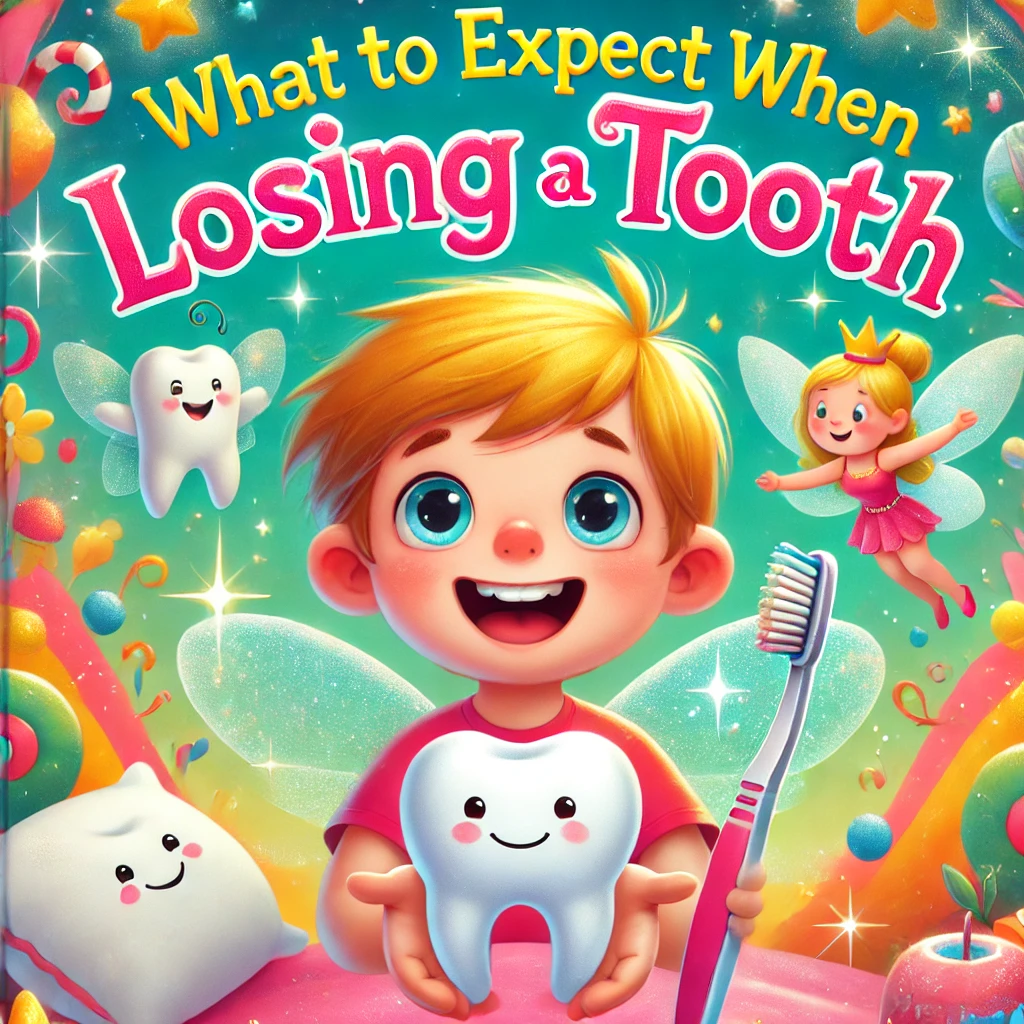 Image 1 of 1